Laser spirit level. How to use it?

/
It takes approx. 1 minutes to read this article

A laser spirit level is still an unpopular tool. However, once you try it, it’s hard to imagine working without it. See how to use a laser level.

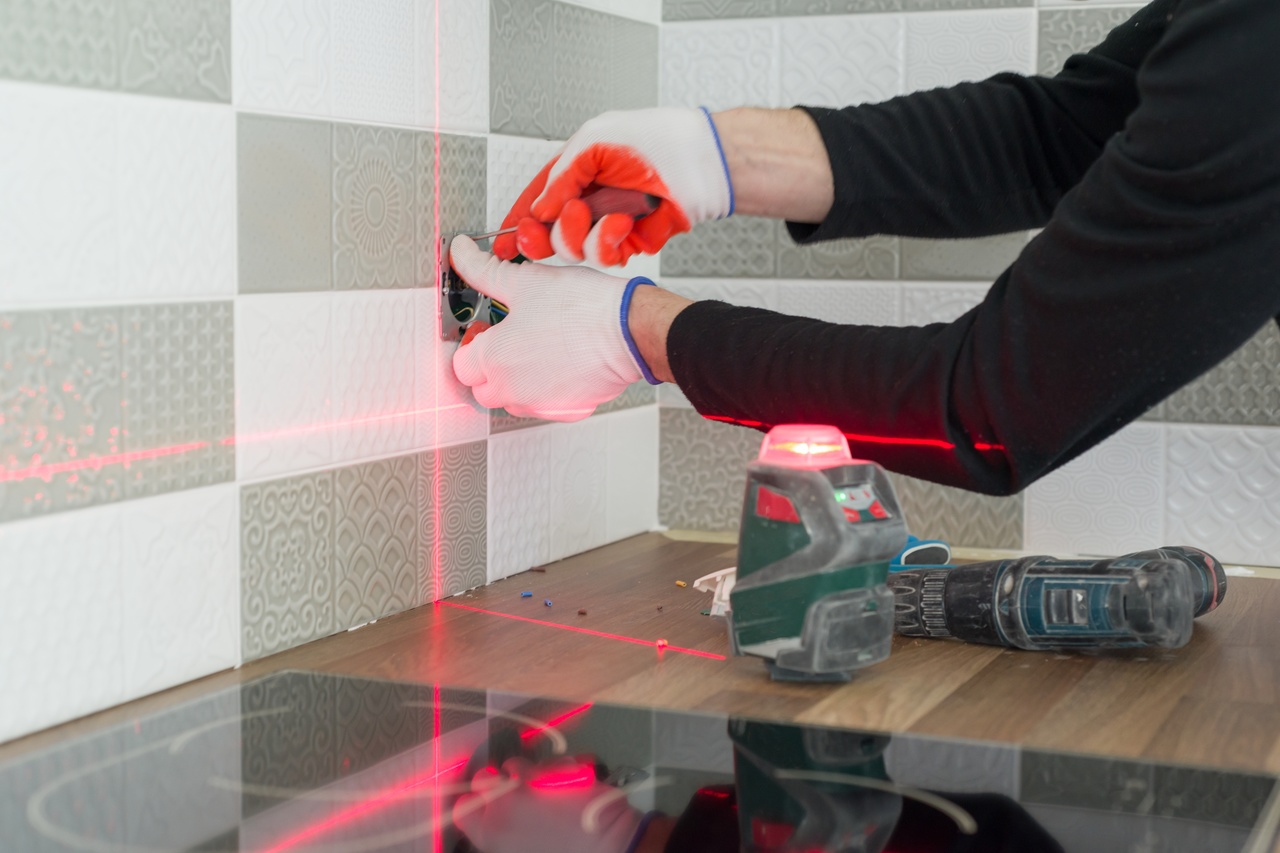
A laser level is most often used when painting walls and ceilings, hanging cabinets, laying tiles, hanging frames and many other activities that require precise positioning of objects. A laser level proves to be indispensable in such work. Here is how to use it.

How to use a laser level

A laser spirit level can be used on horizontal and vertical surfaces and is also used to mark slanted lines and angles. To use it to draw a perfectly straight laser line, simply place it on the floor or press it against a wall. Beforehand, however, the laser level should be fixed in place using special holders or tripods (often supplied with the laser level). Before you start working, you should also check whether the device is properly levelled – some models are equipped with a special diode which makes it easier to make the correct adjustment.

Add comment

Your email address will not be published. Required fields are marked *

*

ten − seven =

Latest articles
Recommended articles
Cleaning paving stones with baking soda
/
Cleaning paving stones with baking soda
Want to clean your driveway or paver sidewalk with just baking soda? Learn how to do it step by step and enjoy a clean, neat surface around your home!
Creating a Relaxation Oasis: Transforming Your Garden with a Gazebo
/
Creating a Relaxation Oasis: Transforming Your Garden with a Gazebo
Enhance your garden's tranquility by incorporating a stylish gazebo, creating a perfect space for relaxation and outdoor enjoyment. Discover design tips, maintenance advice, and the benefits of having a gazebo retreat in your backyard.
Priming walls before painting – is it necessary?
/
Priming walls before painting – is it necessary?
Can we skip the wall priming step? What are its effects? How does it influence further use of the room? We provide answers to these and many other questions about priming.