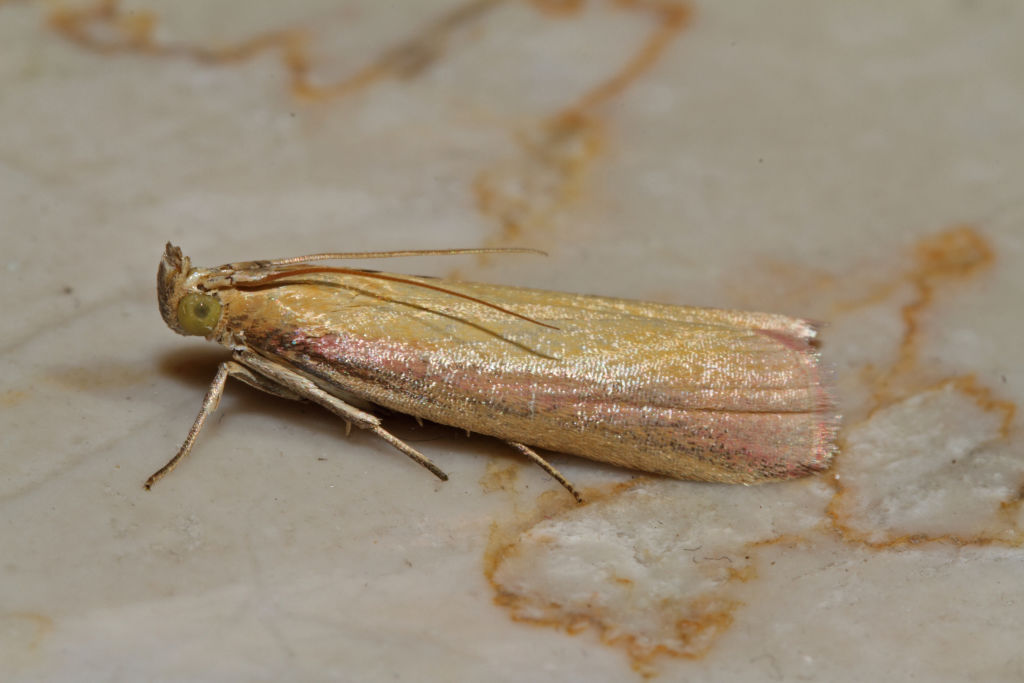
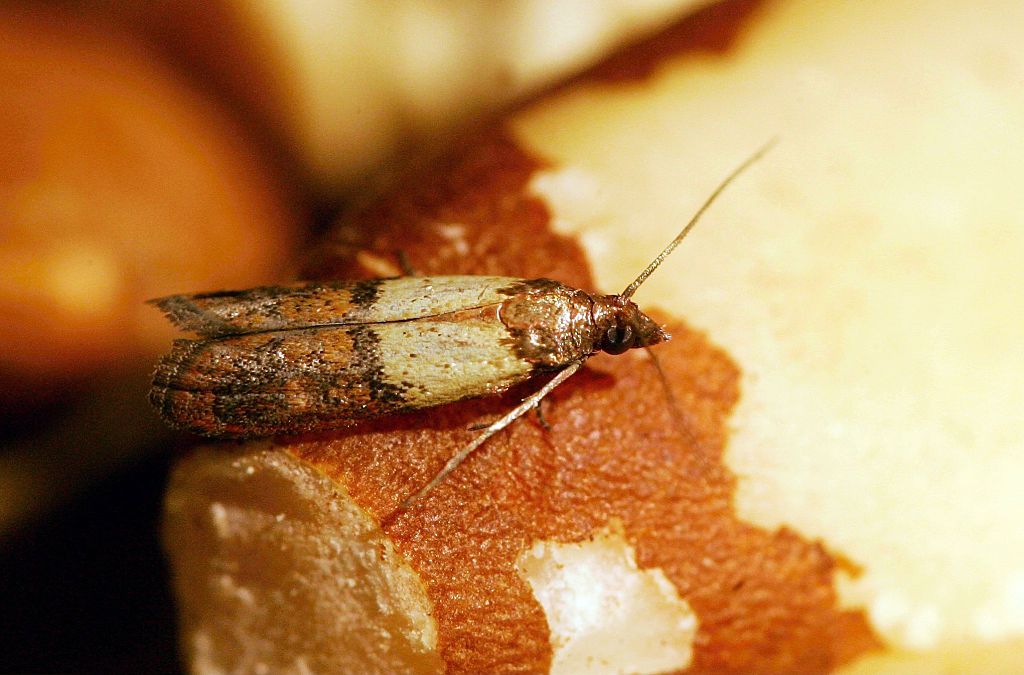
Food moths are insects that like to make the life of many a housewife miserable. When they creep into the pantry they wreak havoc. See how to get rid of them easily.
Food moths are most often found in dry products such as flour, sugar, groats or rice, but also nuts and pasta. You should start looking for them in the evening, when the insects are most active. The signal of their existence is a characteristic spider web, noticeable to the naked eye.
The first and most important task is to throw away infected food and to thoroughly wash shelves and cupboards in the kitchen or pantry. Water with vinegar and some kind of scented oil, such as lavender, is best for this purpose. Keep in mind that it is also necessary to get rid of products that may contain moth eggs and larvae.
Nowadays, there are many remedies available in stores that will help you solve the problem with unwanted insects. However, it is worth reaching for the less invasive and insecticidal ones. Traps in the form of sticks soaked in pheromones, attracting mature specimens, will work best here